
A child struggling to breathe should not have to depend on where they are born to receive care that could save their lives. Yet access to timely assessment, appropriate treatment, and essential healthcare remains out of reach for many families. Pneumonia is preventable and treatable, but it continues to expose deep inequalities in health and healthcare.
The latest United Nations Inter-Agency Group for Child Mortality Estimation (UN IGME) report estimates that lower respiratory infections, including pneumonia, accounted for 13.4% of deaths among children under five worldwide in 2024 1. The figure is a reminder that progress in medicine does not automatically translate into protection for every child. Survival also depends on whether families can reach care and whether health services have the people, medicines and equipment needed to provide it.
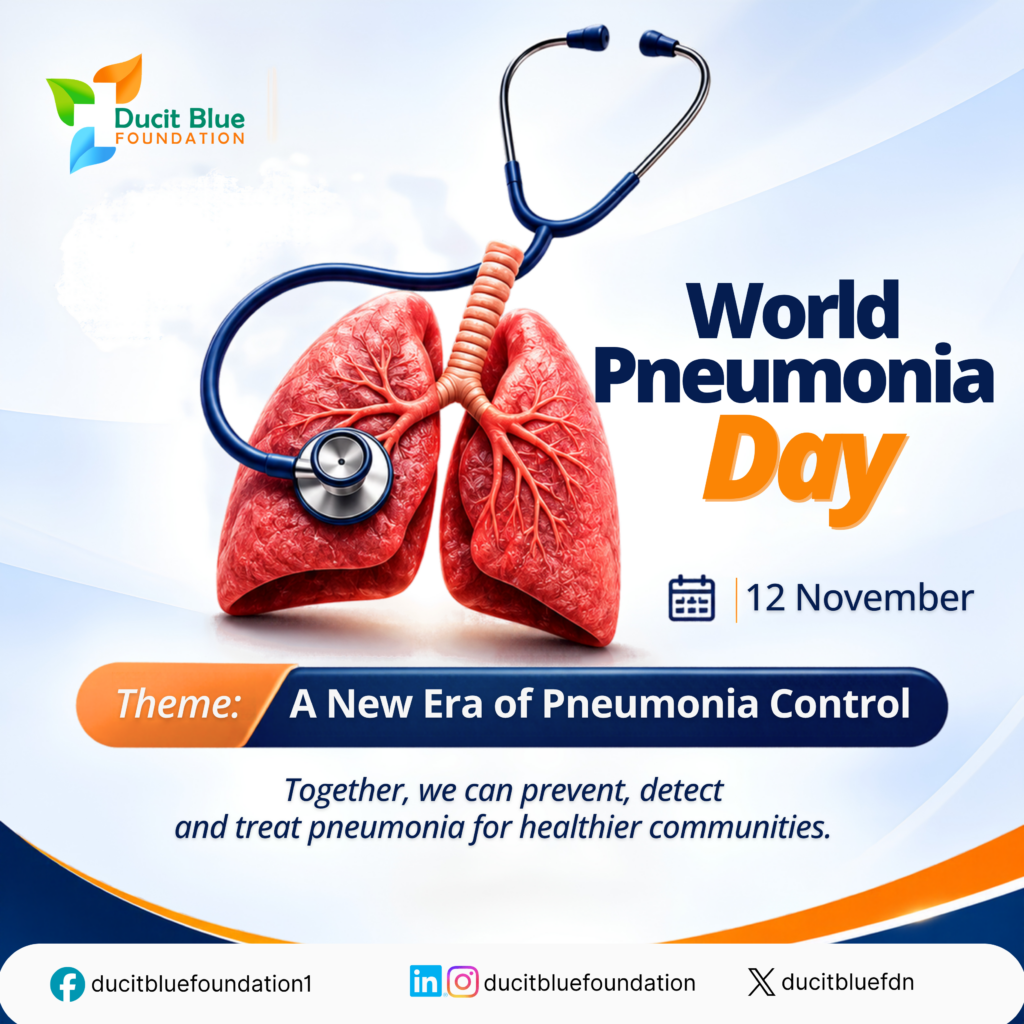
World Pneumonia Day 2026 is being observed under the theme “A New Era of Pneumonia Control”. The campaign highlights advances in vaccines, diagnostic tools and treatments, while drawing attention to the work required to make these interventions available to the people who need them 5. The central challenge is not simply developing better tools; it is ensuring that those tools make a measurable difference in communities.
Why pneumonia remains a serious health concern
Pneumonia is an infection of the lungs. It causes the air sacs, or alveoli, to fill with fluid or pus, making breathing difficult and limiting the amount of oxygen that enters the bloodstream. The infection may be caused by bacteria, viruses or fungi. It can affect people of any age, but young children, older adults and people with weakened immune systems are at greater risk of severe illness 3.
The risk of developing pneumonia is shaped by more than exposure to an infectious organism. Undernutrition, household air pollution, overcrowding, and limited access to healthcare can increase vulnerability and make it harder to obtain treatment promptly 3. This is why pneumonia prevention cannot be separated from wider public health conditions, including nutrition, housing, clean air and access to primary healthcare.
UNICEF reports more than 1,400 cases of childhood pneumonia per 100,000 children globally, with incidence reaching 1,620 per 100,000 in West and Central Africa 2. UNICEF also reports that in 2024 only 60% of children with symptoms of acute respiratory infection were taken to a healthcare provider. This is a measure of care-seeking for respiratory symptoms, not a count of confirmed pneumonia cases, but it points to a substantial gap in timely access to assessment 2.
What is changing in pneumonia prevention and care?
Vaccination remains one of the most effective ways to prevent infections that can lead to pneumonia. Vaccines against pneumococcal disease, Haemophilus influenzae type b (Hib), measles and pertussis protect children against important causes of severe respiratory illness [3]. Prevention also includes adequate nutrition, exclusive breastfeeding during the first six months of life, improved household air quality and reducing children’s exposure to tobacco smoke 3.
However, vaccine programmes only protect children who can access and complete them. UNICEF reports that 42 million infants did not receive the recommended three doses of pneumococcal conjugate vaccine (PCV) in 2024 2. This gap underlines the importance of reliable vaccine supplies, accessible immunisation services and follow-up that helps children complete their recommended schedules.
Beyond established preventive measures, recent developments in clinical guidance are creating new opportunities to improve pneumonia diagnosis and treatment. In December 2024, the World Health Organization (WHO) published updated guidelines for managing pneumonia and diarrhoea in children up to 10 years of age. Among the important updates are expanded options for treating pneumonia at community level and recommendations for identifying hypoxaemia using clinical signs when pulse oximetry is unavailable 4.
The updated guidance also recommends oral amoxicillin for certain children with non-severe pneumonia, including those with chest indrawing but without general danger signs, as an outpatient treatment option. This creates opportunities to manage eligible cases closer to home, particularly where functional community health worker programmes are available 4.
Earlier recognition of severe illness remains equally important. Pulse oximetry, which measures blood oxygen saturation, helps healthcare workers identify hypoxaemia, a dangerously low level of oxygen in the blood. Detecting this condition can inform decisions about urgent treatment, oxygen therapy and referral. Where pulse oximetry is unavailable, WHO’s updated guidance provides clinical signs that trained facility-based health workers can use to assess the risk of hypoxaemia 4.
Treatment must be appropriate to the cause and severity of the illness. Antibiotics may be needed for bacterial pneumonia, but they do not treat viral infections. Clinical assessment and adherence to treatment guidance are therefore essential to avoid inappropriate antibiotic use 3,4. For severe cases, timely access to oxygen, supportive care and referral can be lifesaving. These interventions depend on facilities having trained staff, functioning equipment and reliable supplies.
The unequal reach of medical progress
The availability of effective vaccines, diagnostic tools and treatments has not removed the barriers many families face. Distance to health facilities, the cost of care, shortages of health workers and interruptions in the supply of essential medicines can all delay diagnosis and treatment. In some communities, a child may reach a health facility only after symptoms have become severe; in others, the facility may not have the equipment or oxygen needed to manage complications.
These are not simply gaps in medical knowledge. They are problems of access, service delivery and health system capacity. New technologies can improve outcomes, but only when they are affordable, maintained, supported by trained personnel and incorporated into services that people can reach. A new era of pneumonia control must therefore be judged not only by what is developed, but by who can benefit from it.
Why stronger health systems matter
Pneumonia control depends on a connected chain of services. Health workers need the skills and guidance to recognise symptoms, assess severity, and provide appropriate care. Primary healthcare facilities need essential medicines, basic diagnostic capacity, and clear referral pathways. Facilities managing severe illness need access to oxygen and resources to provide supportive treatment.
Community health workers can also help families recognise danger signs, seek care promptly, and connect with health facilities. Their contribution is especially important where distance, cost, or limited availability of formal services make access difficult. Community-based care must, however, be supported by training, supervision, supplies, and functioning of referral arrangements.
Reliable health information is another part of the response. Data on illness, deaths, immunisation coverage and access to treatment can help health authorities identify underserved populations, direct resources, and assess whether interventions are working. Without dependable information, gaps can remain hidden and limited resources may not reach the communities with the greatest need.
These elements must work together. Training health workers has limited value if medicines are unavailable; diagnostic equipment cannot improve care if it is not maintained or staff are not trained to use it. Sustainable pneumonia control requires investment in the whole system, from prevention and early assessment to treatment, referral and follow-up.
Making progress count
The tools to prevent and treat pneumonia are available. The priority now is to ensure that these interventions reach the children and families who need them, regardless of where they live or what they can afford.
This requires expanding childhood immunisation coverage, strengthening early diagnosis through improved diagnostic capacity and trained healthcare workers, and ensuring access to medical oxygen and appropriate supportive care for patients with severe pneumonia. Reliable supplies of essential medicines and functional referral systems are equally important.
At Ducit Blue Foundation, we recognise that reducing the burden of pneumonia requires more than awareness. It calls for sustained investment in capacity development, evidence-informed interventions, and stronger health systems.
A new era of pneumonia control must ensure that every child has access to prevention, timely diagnosis, and effective treatment. No child should lose their life to a disease that can be prevented and treated.
References
- United Nations Inter-agency Group for Child Mortality Estimation (UN IGME). Levels & Trends in Child Mortality: Report 2025. New York: United Nations Children’s Fund; 2026. Available from: https://data.unicef.org/wp-content/uploads/2026/05/UNIGME-Child-Mortality-Report-2025.pdf
- United Nations Children’s Fund (UNICEF). Pneumonia in children statistics [Internet]. New York: UNICEF; [cited 2026 Nov 9]. Available from: https://data.unicef.org/topic/child-health/pneumonia/
- World Health Organization. Pneumonia in children [Internet]. Geneva: WHO; 2022 Nov 11 [cited 2026 Nov 9]. Available from: https://www.who.int/news-room/fact-sheets/detail/pneumonia
- World Health Organization. Guideline on management of pneumonia and diarrhoea in children up to 10 years of age. Geneva: WHO; 2024. ISBN: 978-92-4-010341-2. Available from: https://www.who.int/publications/i/item/9789240103412
- Every Breath Counts Coalition. World Pneumonia Day [Internet]. 2026 [cited 2026 Nov 9]. Available from: https://stoppneumonia.org/latest/world-pneumonia-day/